
Keep Moving, Stay Balanced: What Walking Does for Your Body
It takes less than you think. A short walk worked into your daily routine can make a genuine difference to how your body handles energy — especially around mealtimes.
Learn More
The Simple Reason Movement Matters So Much
Muscles are the largest consumer of glucose in the body. When they are active — even at a gentle walking pace — they absorb sugar from the blood and convert it into usable energy. No complex mechanism, no special conditions required.
The effect is most noticeable after meals, when blood sugar rises naturally. A short walk at that point helps bring levels back to a normal range more quickly than if you simply sat or rested.
This page provides educational information only. For guidance specific to your own health, always speak with a qualified healthcare professional.
How Your Body Responds Over Time
Regular walking produces gradual, cumulative improvements in how the body functions. These indicators show what tends to change — and roughly how quickly.
Post-Meal Balance
Blood sugar after meals becomes more stable after several weeks of regular short walks.
Insulin Response
Cells become noticeably more receptive to insulin signals with consistent activity over time.
Daily Energy
Many people report feeling less sluggish through the day once walking becomes a regular habit.
Sleep Quality
Regular physical activity supports better sleep, which in turn helps stabilise energy and mood.
Figures are illustrative estimates based on general research findings. Individual results vary. This is educational content — not medical advice.
Five Things That Change When You Walk Regularly
These changes are gradual and cumulative — each walk contributes to a pattern that builds up over days and weeks.
Blood Sugar Becomes Easier to Manage
When muscles are working, they pull glucose out of the bloodstream for fuel. This happens consistently during every walk — reducing the peaks that occur after meals and giving the body a steadier overall pattern.
Your Cells Respond to Insulin Better
Physical activity increases the sensitivity of your cells to insulin for several hours after you stop. Over time this effect strengthens — the body learns to use insulin more efficiently, reducing how hard it needs to work.
Circulation Improves in the Whole Body
Walking stimulates blood flow throughout the cardiovascular system. The legs and feet benefit particularly — areas where circulation can weaken over time. Good shoes and brief foot checks after walks support this further.
Stress Eases and Sleep Gets Better
Movement helps the body process stress hormones more effectively. Lower stress and more restful sleep both contribute to a more stable internal environment — which in turn makes daily energy levels easier to maintain.
Gradual Weight Changes Become Possible
Walking burns calories at a gentle, consistent rate. Even modest shifts in body weight — sustained over months rather than forced in weeks — have a meaningful positive effect on how the body processes blood sugar.
Building a Routine That Actually Lasts
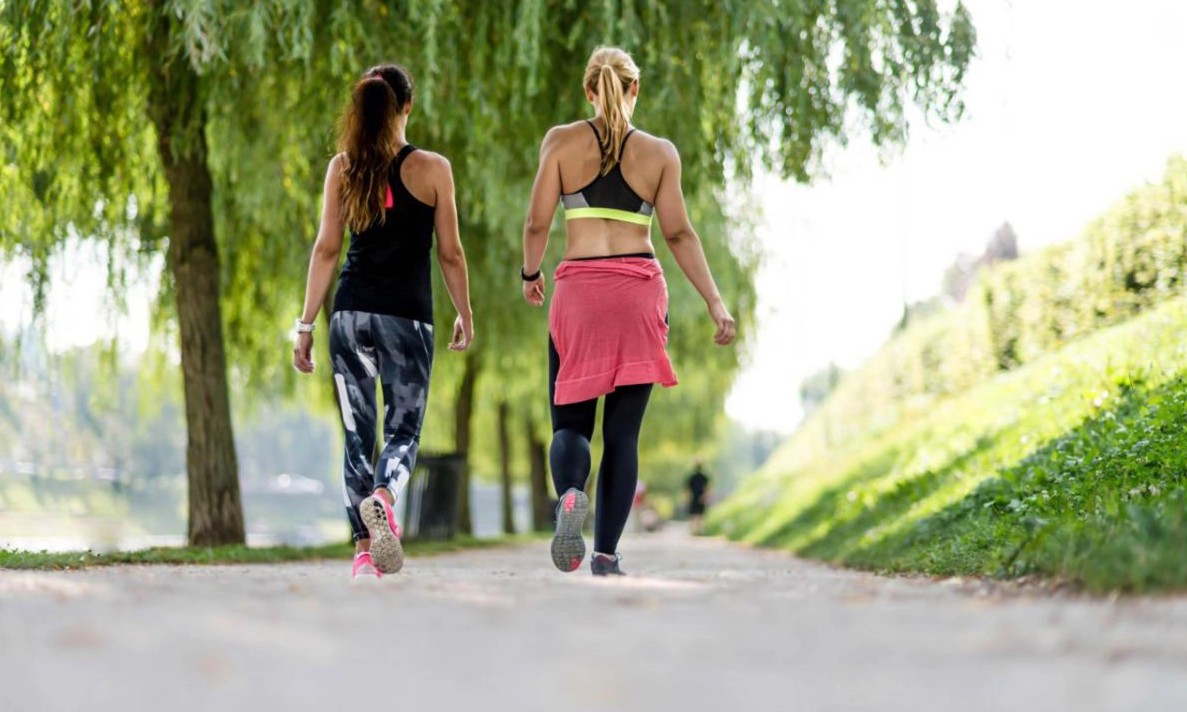
The most effective walking habit is one you can keep doing without effort or motivation. That means starting with less than you think you need — a single 10-minute walk after your biggest meal is a perfectly valid beginning.
As this becomes automatic, you can add a second walk after another meal. Within a few weeks, you may find yourself walking three times a day around mealtimes without needing to think about it.
Always carry something small to eat or drink in case you feel lightheaded. Check your feet briefly after each outing. These two small habits make every walk safer and more comfortable in the long run.
Why Some People Keep the Habit and Others Do Not
Research on habit formation consistently shows that the people who maintain physical activity over the long term are not the most motivated — they are the ones who made the behaviour as easy as possible to repeat. They attached it to existing routines rather than treating it as a separate task.
Walking after a meal is ideal for this reason. The meal is already happening. The walk simply follows it. No special equipment, no gym membership, no particular weather requirement. Indoors or outdoors, at your own pace — the muscle activity is what counts.
If you miss a walk, nothing is lost. The next opportunity is the next meal. That is one of the most forgiving aspects of this particular habit — there is always another chance coming within a few hours.
What Our Readers Have Noticed
After starting short evening walks, I noticed I was less tired by bedtime and slept more soundly. I had not expected the effect to come so quickly — within about 10 days of being consistent.
— Chitra M., Chennai
I always thought I needed to do something more intense to make a difference. This site helped me understand why short, consistent walks work so well. The explanation is clear and does not talk down to you.
— Mohan D., Coimbatore
My mother-in-law uses this site regularly to read about staying active. She is 71 and has been going for short walks after lunch every day. She says her digestion and mood have both improved.
— Lakshmi N., Madurai
What I appreciate most is that the information here is realistic. It does not promise dramatic results overnight. It just explains what happens in the body and encourages you to be consistent. That honesty made me trust it.
— Rajan K., Trichy
I shared this page with my colleague who had just been told by his doctor to be more active. He found it very helpful — especially the part about walking after meals being more effective than one long session.
— Shalini P., Bengaluru
I used to walk only at weekends, thinking that was enough. After reading this site I understood why daily short walks are more effective. I switched to walking after dinner every day and the difference is noticeable.
— Venkat S., Hyderabad
Get in Touch With Us
Contact Details
Have a question about the content on this site? We are happy to respond to general enquiries about physical activity and wellbeing.
Email:
hello (at) gazinek.icu
Phone:
+91 44 3862 5079
Address:
9, Residency Road, Chennai 600025, Tamil Nadu, India
Questions Worth Asking
Does the type of surface I walk on matter?
Not significantly for the blood sugar effect — your muscles work in a similar way regardless of whether you are on a footpath, a corridor or a treadmill. A flat, even surface is generally more comfortable and reduces the chance of stumbling. Uneven terrain can be harder on the joints, so a smooth route is preferable if you have any existing foot or ankle concerns.
What if I get tired very quickly at first?
That is completely normal, especially if you have not been very active recently. Start with whatever you can manage comfortably — even five minutes — and build up slowly over a week or two. There is no minimum required to get some benefit. The body adapts quickly to regular gentle movement, and most people find their stamina increases steadily once they start.
Can I combine walking with other activities?
Yes — walking can be combined with other gentle activities such as light stretching, standing exercises or short yoga sessions. The key is that any activity you add should feel manageable and comfortable rather than exhausting. Always check with your doctor before adding new types of exercise, particularly if you have existing health conditions or mobility concerns.
Is this page intended as medical advice?
No. All content on this site is general educational information about physical activity and how the body responds to it. It does not constitute medical advice and cannot replace a consultation with your doctor or healthcare team. If you have any specific health condition, please always follow the guidance of your own medical provider.